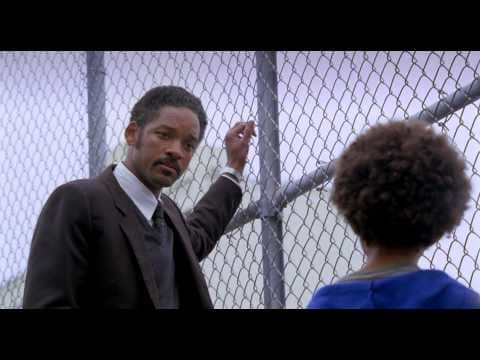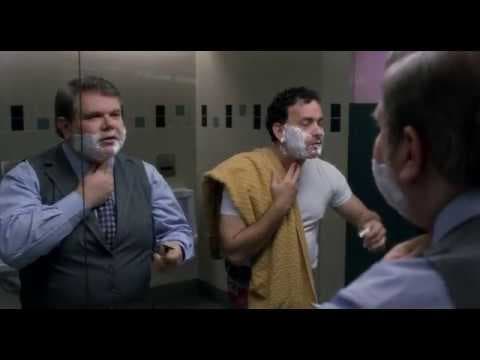

INT. MAGAZINE OFFICE — MORNING
内景 · 杂志办公室 · 上午
A candidate holds a plain folder while assistants cross the glass office at full speed.
候选人拿着朴素的文件夹,助理们飞快穿过玻璃办公室。
EDITOR
Your résumé suggests you know very little about this industry.
你的简历表明,你对这个行业了解很少。
CANDIDATE
I do not know this industry yet. I do know how to research under pressure.
我现在还不了解这个行业,但我知道如何在压力下完成研究。
EDITOR
Why should that skill transfer here?
为什么这项能力能用在这里?
CANDIDATE
Because deadlines change the topic, not the discipline.
因为截止时间改变的是主题,不是做事的严谨程度。
The group returns to the opening concern—“Your résumé suggests you know very little about this industry.”—and compares it with the later response before closing the scene.
众人重新审视开场问题——“你的简历表明,你对这个行业了解很少。”——并在结束场景前把它与后续回应进行比较。
EDITOR
What does this audience need to know, what must they do, what remains uncertain, and when will the next update arrive?
这组受众需要知道什么、必须做什么、哪些仍不确定,以及下一次更新何时到来?
CANDIDATE
The message will identify the fact, source, limit, requested action, responsible contact, and correction route in that order.
信息会依次说明事实、来源、边界、要求的行动、负责联系人和纠错渠道。
Two phrases remain visible on the shared note: “résumé suggests” and “under pressure,” each linked to the exact line that gives it force in the discussion.
共用记录上保留两个表达:“résumé suggests”(简历表明)与“under pressure”(在压力下),并分别连接到赋予其讨论力量的原句。
EDITOR
Before release, another reader will check whether the headline, detail, and tone make a stronger claim than the evidence supports.
发布前,由另一名读者检查标题、细节和语气是否作出了超出证据支持的更强主张。
The extended exchange gives the audience context, action, uncertainty, timing, and a visible way to receive corrections.
延伸后的交流为受众补足语境、行动、不确定性、时点和清晰可见的更正接收方式。
A second pass through “The interview” slows the exchange where “Your résumé suggests you know very little about this industry.” still leaves motive, consequence, or responsibility unstated.
第二轮细读“The interview”时,交流在“你的简历表明,你对这个行业了解很少。”仍未说明动机、后果或责任的位置慢下来。
CANDIDATE
What could this audience misunderstand, which detail would change their action, and how will they know whether the message is still current?
受众可能误解什么,哪项细节会改变他们的行动,又怎样知道这条信息是否仍然有效?
EDITOR
The revised message will lead with the verified fact, then consequence, required action, uncertainty, timing, contact, and correction history.
修订后的信息会先给出已核验事实,再依次说明后果、所需行动、不确定性、时间、联系人和更正记录。
The speakers test how “résumé suggests” changes the force of “transfer,” then restate the distinction without relying on either phrase.
说话者检验“résumé suggests”(简历表明)如何改变“transfer”(迁移;适用于新场景)的语气力度,然后不依赖这两个短语重新说明区别。
EDITOR
Clarity is not simplification if the omitted qualification would cause a reasonable reader to act differently.
如果被省略的限定会让理性读者采取不同的行动,那么这种简化就不等于清晰。
CANDIDATE
We will shorten the headline, preserve the important limit, test it with a new reader, and publish the next update time beside it.
我们会缩短标题、保留重要限制、让新读者试读,并在旁边公布下一次更新时间。
They rehearse one careful version, one direct version, and one version for a listener who enters late, checking that “under pressure” still leads to the same next step.
他们分别排练谨慎版、直接版和面向迟到听众的版本,检查“under pressure”(在压力下)是否仍然导向同一个下一步。
Before the scene closes, “résumé suggests” and “transfer” are placed beside the unresolved pressure in “The interview,” giving the speakers one more round to challenge, concede, reframe, and hand off the decision.
场景结束前,“résumé suggests”(简历表明)与“transfer”(迁移;适用于新场景)被放回“The interview”尚未解决的压力旁,让说话者再完成一轮质疑、让步、重述与交接。
EDITOR
If a skeptical listener hears only one sentence, which claim could they misunderstand, what evidence must travel with it, and which uncertainty cannot be edited away?
如果持怀疑态度的听众只听到一句话,他们可能误解哪项主张,什么证据必须随之出现,又有哪些不确定性不能被删去?
CANDIDATE
I can make the message shorter without pretending the situation is simpler, and I can name the limit of what we know before asking for trust.
我可以缩短信息而不假装情况更简单,也可以在请求信任前说明我们所知内容的边界。
EDITOR
Then the update will separate fact, interpretation, impact, decision, and next check, giving late listeners enough context to question the message responsibly.
那么更新会区分事实、解释、影响、决定和下一次检查,为后来加入的听众提供足够背景来负责任地质疑信息。
EDITOR
I will pass on the audience, purpose, approved wording, supporting source, unresolved question, correction channel, and time when the message must be updated.
我会交接受众、目的、获准措辞、支持来源、未决问题、纠正渠道和必须更新信息的时间。
The longer dialogue now leaves “The interview” with an acknowledged objection, a revised frame, a named owner, and a handoff that can be checked after the conversation ends.
更长的对话让“The interview”在结束时留下已被承认的异议、经过修订的框架、具名负责人,以及能在谈话结束后继续核验的交接。
The longer exchange demonstrates communication that remains concise while making uncertainty, responsibility, and correction visible.
更长的交流展示了如何在保持简洁的同时,让不确定性、责任和纠正方式清晰可见。
The editor closes the résumé but does not return it.
编辑合上简历,却没有把它退回去。