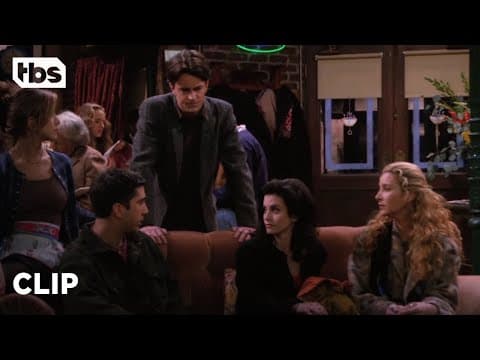

INT. SHARED APARTMENT — EVENING
内景 · 合租公寓 · 晚上
Two friends unpack dinner while a third late bill waits under a magnet on the refrigerator.
两位朋友一边拆晚餐,一边看着冰箱磁贴下压着的第三张逾期账单。
ROOMMATE A
We get along well. Do we really need rules for everything?
我们相处得很好,真的需要每件事都定规则吗?
ROOMMATE B
A friendly home still needs clear expectations.
友好的家仍然需要清晰的共同期待。
ROOMMATE B
Let us agree on chores, bill dates, overnight guests, quiet hours, shared food, and a check-in after two weeks.
我们把家务、账单日期、留宿访客、安静时间、共享食物,以及两周后的复盘都说清楚。
ROOMMATE A
Fine, but let us call it a trial so either of us can suggest changes.
好,不过先把它当作试行,这样任何一方都可以提出调整。
The group returns to the opening concern—“We get along well. Do we really need rules for everything?”—and compares it with the later response before closing the scene.
众人重新审视开场问题——“我们相处得很好,真的需要每件事都定规则吗?”——并在结束场景前把它与后续回应进行比较。
ROOMMATE A
Which options are real, whose goals matter, what can still be reversed, and which consequence would be hardest to repair?
哪些选项真实可行,谁的目标需要被考虑,什么仍可撤回,又有什么后果最难修复?
ROOMMATE B
We will compare the options by evidence, benefit, risk, reversibility, affected people, and the next point where new information can change the choice.
我们会按证据、收益、风险、可逆性、受影响者和新信息可改变选择的下一节点来比较选项。
Two phrases remain visible on the shared note: “clear expectations” and “quiet hours,” each linked to the exact line that gives it force in the discussion.
共用记录上保留两个表达:“clear expectations”(清晰的共同期待)与“quiet hours”(安静时间),并分别连接到赋予其讨论力量的原句。
ROOMMATE A
The record will name one decision owner, one review time, and the evidence or broken assumption that requires reopening the choice.
记录会写明一名决策负责人、一个复盘时间,以及必须重开选择的证据或失效假设。
The longer passage carries the choice from first reaction through comparison, ownership, revision, and a visible next step.
加长段落把选择从最初反应推进到比较、责任、修订和清晰可见的下一步。
A second pass through “The shared apartment rules” slows the exchange where “We get along well. Do we really need rules for everything?” still leaves motive, consequence, or responsibility unstated.
第二轮细读“The shared apartment rules”时,交流在“我们相处得很好,真的需要每件事都定规则吗?”仍未说明动机、后果或责任的位置慢下来。
ROOMMATE B
If we wait, what changes; if we act, what becomes irreversible; and whose cost is missing from the current comparison?
如果等待,什么会变化;如果行动,什么会变得不可逆;当前比较又遗漏了谁的代价?
ROOMMATE A
The decision record will compare goals, evidence, benefits, harms, reversibility, affected people, opportunity cost, and the next review point.
决策记录会比较目标、证据、收益、伤害、可逆性、受影响者、机会成本和下一次复盘节点。
The speakers test how “clear expectations” changes the force of “call it a trial,” then restate the distinction without relying on either phrase.
说话者检验“clear expectations”(清晰的共同期待)如何改变“call it a trial”(把它当作试行)的语气力度,然后不依赖这两个短语重新说明区别。
ROOMMATE A
Choosing the familiar option is still a choice, and its hidden cost deserves the same scrutiny as a visible risk.
选择熟悉的方案仍然是一种选择,它的隐藏成本应当像可见风险一样受到审视。
ROOMMATE B
We will keep the reversible step, postpone the irreversible one, and collect the single piece of information most likely to change the ranking.
我们会保留可逆步骤、推迟不可逆步骤,并收集最可能改变排序的那一项信息。
They rehearse one careful version, one direct version, and one version for a listener who enters late, checking that “quiet hours” still leads to the same next step.
他们分别排练谨慎版、直接版和面向迟到听众的版本,检查“quiet hours”(安静时间)是否仍然导向同一个下一步。
Before the scene closes, “clear expectations” and “call it a trial” are placed beside the unresolved pressure in “The shared apartment rules,” giving the speakers one more round to challenge, concede, reframe, and hand off the decision.
场景结束前,“clear expectations”(清晰的共同期待)与“call it a trial”(把它当作试行)被放回“The shared apartment rules”尚未解决的压力旁,让说话者再完成一轮质疑、让步、重述与交接。
ROOMMATE A
If the familiar option is not neutral, whose cost does it hide, what becomes irreversible by waiting, and which smaller experiment could expose the tradeoff?
如果熟悉的选项并非中立,它隐藏了谁的代价,等待会让什么变得不可逆,又有什么更小的试验可以揭示权衡?
ROOMMATE B
I can admit that my first choice protects one important goal while weakening another, and that confidence alone does not settle who should carry that cost.
我承认首选方案保护了一个重要目标,却削弱了另一个目标,而自信本身不能决定谁来承担这项代价。
ROOMMATE A
Then we will choose the most reversible useful step, state what it cannot solve, and schedule the evidence review before momentum hardens into commitment.
那么我们会选择最可逆且有用的步骤,说明它无法解决什么,并在惯性变成承诺前安排证据复盘。
ROOMMATE A
I will document the goal, alternatives, affected people, tradeoffs, owner, review date, and reopening condition so the next decision does not begin from memory.
我会记录目标、替代方案、受影响者、权衡、负责人、复盘日期和重开条件,让下一次决策不必从记忆开始。
The longer dialogue now leaves “The shared apartment rules” with an acknowledged objection, a revised frame, a named owner, and a handoff that can be checked after the conversation ends.
更长的对话让“The shared apartment rules”在结束时留下已被承认的异议、经过修订的框架、具名负责人,以及能在谈话结束后继续核验的交接。
The fuller scene carries the choice beyond instinct into a record that explains tradeoffs, ownership, review, and repair.
更完整的场景把选择从直觉推进到能够解释权衡、责任、复盘和补救的记录。
They turn an awkward complaint into a short agreement both people can revise.
他们把尴尬的抱怨变成了一份双方都能修改的简短约定。