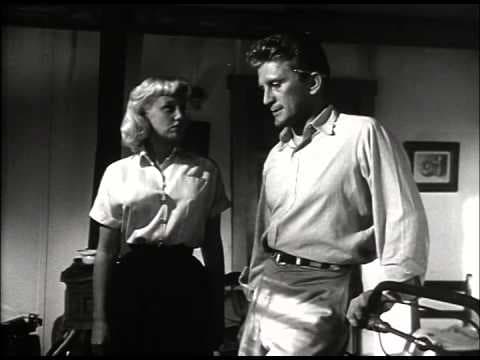

INT. WAR CABINET MAP ROOM — MORNING
内景 · 战时内阁地图室 · 上午
Three colored pins move across a map while one position remains unmarked.
三枚不同颜色的图钉在地图上移动,还有一个位置没有标记。
OFFICER
The northern route is closed, and we believe the eastern line will hold.
北部路线已经关闭,我们认为东部防线能够守住。
MINISTER
One fact and one assessment. Label the sentence before you defend it.
一个事实,一个判断。先标注句子类型,再为它辩护。
OFFICER
Confirmed: the route is closed. Assessed: the line may hold. Unknown: for how long.
已证实:路线关闭。判断:防线可能守住。未知:能守多久。
MINISTER
Now tell us which decision changes if the assessment is wrong.
现在告诉我们,如果判断错误,哪项决定需要改变。
The group returns to the opening concern—“The northern route is closed, and we believe the eastern line will hold.”—and compares it with the later response before closing the scene.
众人重新审视开场问题——“北部路线已经关闭,我们认为东部防线能够守住。”——并在结束场景前把它与后续回应进行比较。
OFFICER
What is confirmed, what is only estimated, what remains unknown, and which immediate action is safe across all three states?
什么已经确认,什么只是估算,什么仍然未知,又有什么即时行动在这三种状态下都安全?
MINISTER
The update will separate facts, estimates, unknowns, protective steps, and the exact trigger for escalation or withdrawal.
更新会分别列出事实、估算、未知事项、防护步骤,以及升级或撤回的确切触发条件。
Two phrases remain visible on the shared note: “one fact and one assessment” and “for how long,” each linked to the exact line that gives it force in the discussion.
共用记录上保留两个表达:“one fact and one assessment”(一个事实和一个分析判断)与“for how long”(能持续多久),并分别连接到赋予其讨论力量的原句。
OFFICER
A named owner will protect the exit route, report at the fixed interval, and hand off explicitly if the risk or available resources change.
由具名负责人保护退出路线、按固定间隔报告,并在风险或可用资源变化时明确交接。
The longer passage keeps urgency visible while giving the team several points to stop, learn, and revise safely.
加长段落保留了紧迫感,也为团队提供多个安全停止、获取信息和修订方案的节点。
A second pass through “The situation brief” slows the exchange where “The northern route is closed, and we believe the eastern line will hold.” still leaves motive, consequence, or responsibility unstated.
第二轮细读“The situation brief”时,交流在“北部路线已经关闭,我们认为东部防线能够守住。”仍未说明动机、后果或责任的位置慢下来。
MINISTER
If the safest assumption is wrong, who is exposed first, how quickly could conditions worsen, and which exit remains usable?
如果看似最安全的假设有误,谁会最先暴露,情况会多快恶化,又有哪条退出路线仍然可用?
OFFICER
We will map the hazard, time window, people affected, fallback resources, communication interval, and the authority to stop the plan.
我们会标出危险、时间窗口、受影响的人、备用资源、沟通间隔,以及有权叫停计划的人。
The speakers test how “one fact and one assessment” changes the force of “if the assessment is wrong,” then restate the distinction without relying on either phrase.
说话者检验“one fact and one assessment”(一个事实和一个分析判断)如何改变“if the assessment is wrong”(如果判断错误)的语气力度,然后不依赖这两个短语重新说明区别。
OFFICER
Speed matters, but an urgent move without an owner, threshold, or exit can create a second emergency.
速度很重要,但没有负责人、门槛或退出方式的紧急行动可能制造第二场危机。
MINISTER
The immediate step will therefore be small, reversible, monitored, and paired with a named signal for stopping or escalating.
因此,即时行动会保持小规模、可逆、受监测,并配有明确的停止或升级信号。
They rehearse one careful version, one direct version, and one version for a listener who enters late, checking that “for how long” still leads to the same next step.
他们分别排练谨慎版、直接版和面向迟到听众的版本,检查“for how long”(能持续多久)是否仍然导向同一个下一步。
Before the scene closes, “one fact and one assessment” and “if the assessment is wrong” are placed beside the unresolved pressure in “The situation brief,” giving the speakers one more round to challenge, concede, reframe, and hand off the decision.
场景结束前,“one fact and one assessment”(一个事实和一个分析判断)与“if the assessment is wrong”(如果判断错误)被放回“The situation brief”尚未解决的压力旁,让说话者再完成一轮质疑、让步、重述与交接。
OFFICER
If this protective step fails in the next ten minutes, who is exposed first, which signal tells us to stop, and which exit remains usable without further permission?
如果这项防护措施在十分钟内失效,谁会最先暴露,哪个信号要求我们停止,又有哪条出口无需额外许可仍可使用?
MINISTER
I accept that moving quickly may reduce one danger, but speed cannot excuse an unnamed owner, an untested route, or silence about the people carrying the risk.
我承认快速行动可能降低一种危险,但速度不能成为负责人不明、路线未经检验或风险承担者被忽略的借口。
OFFICER
Then we will describe the plan as a temporary safety measure with a stop condition, a fallback, and a scheduled update rather than as a final solution.
那么我们会把方案说明为带有停止条件、备用路径和定时更新的临时安全措施,而不是最终解决办法。
OFFICER
I will brief the next person on the hazard, time window, contact chain, unavailable resources, and exact escalation threshold before I leave the role.
离开岗位前,我会向接手者说明危险、时间窗口、联系链、不可用资源和确切升级门槛。
The longer dialogue now leaves “The situation brief” with an acknowledged objection, a revised frame, a named owner, and a handoff that can be checked after the conversation ends.
更长的对话让“The situation brief”在结束时留下已被承认的异议、经过修订的框架、具名负责人,以及能在谈话结束后继续核验的交接。
The fuller scene converts fear into a safety plan whose assumptions, owners, checkpoints, and escape routes remain visible.
更完整的场景把恐惧转成安全计划,让假设、负责人、检查点和逃生路线始终清晰可见。
The unmarked position receives a question mark instead of a confident pin.
未标记的位置放上了一个问号,而不是一枚代表确定性的图钉。