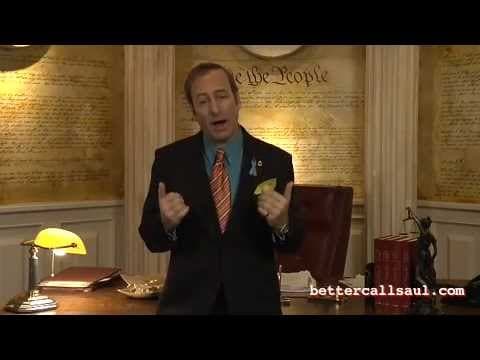

INT. LEGAL AID OFFICE — LATE AFTERNOON
内景 · 法律援助办公室 · 傍晚
A tired ceiling fan turns above a narrow table. Jimmy opens a thin case file.
一把老旧的吊扇在窄桌上方缓慢转动。Jimmy 打开一份薄薄的案卷。
JIMMY
Before you sign the retainer, I need to know what happened.
在你签委托协议之前,我得先知道发生了什么。
CLIENT
They want me to take a plea before anyone hears my side.
他们想让我在任何人听我解释之前就接受认罪协议。
JIMMY
Then we slow down. Evidence first, promises later.
那我们就慢下来。先看证据,承诺放到后面。
CLIENT
Can you actually help me?
你真的能帮我吗?
JIMMY
I can ask the right questions. You give me the honest answers.
我可以问对问题。你要给我诚实的答案。
The group returns to the opening concern—“Before you sign the retainer, I need to know what happened.”—and compares it with the later response before closing the scene.
众人重新审视开场问题——“在你签委托协议之前,我得先知道发生了什么。”——并在结束场景前把它与后续回应进行比较。
JIMMY
Which part is a request, which part is permission, and what may be refused or withdrawn without losing an existing right?
哪一部分是请求,哪一部分是许可,又有哪些内容可以拒绝或撤回而不失去现有权利?
CLIENT
Permission will name its scope, audience, duration, storage, withdrawal route, and the consequence of saying no.
许可会写明范围、受众、期限、保存方式、撤回渠道,以及拒绝会产生什么后果。
Two phrases remain visible on the shared note: “retainer” and “take a plea,” each linked to the exact line that gives it force in the discussion.
共用记录上保留两个表达:“retainer”((聘请律师的)委托协议;预付费用)与“take a plea”(接受认罪协议),并分别连接到赋予其讨论力量的原句。
JIMMY
An independent person will check that silence was not treated as agreement and that no benefit depends on continued permission.
由独立人员检查沉默是否被误当成同意,以及任何福利是否以持续许可为条件。
The longer passage separates relationship, request, permission, refusal, and repair instead of compressing them into one yes.
加长段落把关系、请求、许可、拒绝和补救分别展开,不再压缩成一个笼统的“同意”。
A second pass through “The retainer” slows the exchange where “Before you sign the retainer, I need to know what happened.” still leaves motive, consequence, or responsibility unstated.
第二轮细读“The retainer”时,交流在“在你签委托协议之前,我得先知道发生了什么。”仍未说明动机、后果或责任的位置慢下来。
CLIENT
What information would change the decision, who benefits from agreement, and can refusal remain safe, private, and free of retaliation?
什么信息会改变决定,谁会从同意中受益,而拒绝是否仍能保持安全、私密且不受报复?
JIMMY
The explanation will cover purpose, alternatives, foreseeable effects, data use, expiration, withdrawal, and the contact responsible for correction.
说明会覆盖目的、替代方案、可预见影响、数据用途、到期时间、撤回方式和负责纠正的联系人。
The speakers test how “retainer” changes the force of “evidence,” then restate the distinction without relying on either phrase.
说话者检验“retainer”((聘请律师的)委托协议;预付费用)如何改变“evidence”(证据;证明)的语气力度,然后不依赖这两个短语重新说明区别。
JIMMY
A signature can document a decision, but it cannot repair missing information, hidden pressure, or an unusable withdrawal route.
签名可以记录决定,却无法弥补信息缺失、隐性压力或无法使用的撤回渠道。
CLIENT
We will pause the request, provide the missing details in plain language, and ask again only after independent questions are possible.
我们会暂停请求,用清楚的语言补齐细节,并只在对方能够独立提问后再次询问。
They rehearse one careful version, one direct version, and one version for a listener who enters late, checking that “take a plea” still leads to the same next step.
他们分别排练谨慎版、直接版和面向迟到听众的版本,检查“take a plea”(接受认罪协议)是否仍然导向同一个下一步。
Before the scene closes, “retainer” and “evidence” are placed beside the unresolved pressure in “The retainer,” giving the speakers one more round to challenge, concede, reframe, and hand off the decision.
场景结束前,“retainer”((聘请律师的)委托协议;预付费用)与“evidence”(证据;证明)被放回“The retainer”尚未解决的压力旁,让说话者再完成一轮质疑、让步、重述与交接。
JIMMY
If saying no changes access, status, safety, or the relationship, how can we claim the answer is voluntary, and what must change before asking again?
如果拒绝会改变机会、身份、安全或关系,我们凭什么说回答是自愿的,又必须先改变什么才能再次询问?
CLIENT
I accept that an earlier yes may document one moment, but it does not cover a new audience, a longer duration, hidden pressure, or a changed purpose.
我承认先前的同意只能记录一个时刻,不能覆盖新的受众、更长期限、隐性压力或已经改变的目的。
JIMMY
Then permission will be specific, informed, reversible, and separate from unrelated benefits, with silence treated as a reason to pause rather than agreement.
那么许可必须具体、知情、可撤回,并与无关利益分开;沉默应被视为暂停理由,而不是同意。
JIMMY
I will pass on the approved scope, excluded uses, expiration, withdrawal route, and correction contact so no later participant has to guess what was allowed.
我会交接获准范围、排除用途、到期时间、撤回渠道和纠正联系人,让后来的参与者无需猜测哪些内容曾被允许。
The longer dialogue now leaves “The retainer” with an acknowledged objection, a revised frame, a named owner, and a handoff that can be checked after the conversation ends.
更长的对话让“The retainer”在结束时留下已被承认的异议、经过修订的框架、具名负责人,以及能在谈话结束后继续核验的交接。
The fuller scene treats consent as an informed, reversible process rather than a single line of approval.
更完整的场景把同意视为知情且可撤回的过程,而不是一句单独的批准。
The client studies him, then slowly pulls the unsigned agreement back across the table.
客户打量着他,随后缓缓把尚未签字的协议拉回桌面这边。